
E.max Dental Crowns Lab from China
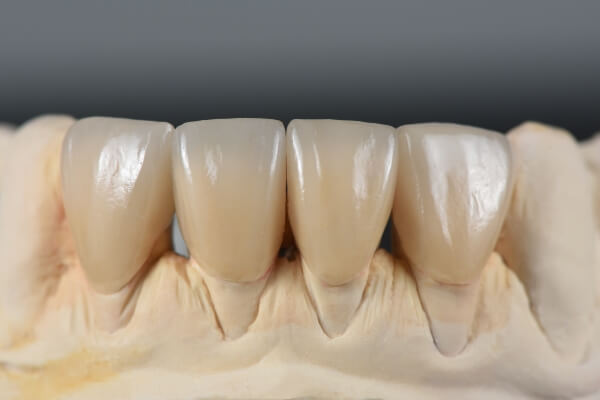
E.max Tooth Crowns
An E.max crown is one of the all ceramic crowns. E.max material is E.max lithium disilicate glass ceramic known for its aesthetic qualities. Even though it is not as strong as a zirconia crown, its transparent characteristic can make it look like any other natural teeth. This feature makes people choose E.max for teeth.
Robust dental lab is frequently praised by its E.max dental crowns with aesthetics and precise margins.
Robust E max Teeth Specification
| Product: | E.max Crowns |
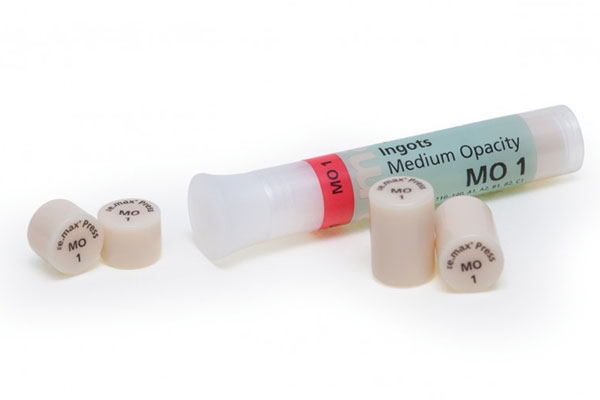
| E.max crown coping: | IPS E.max Ingots, Ivoclar from Liechtenstein |
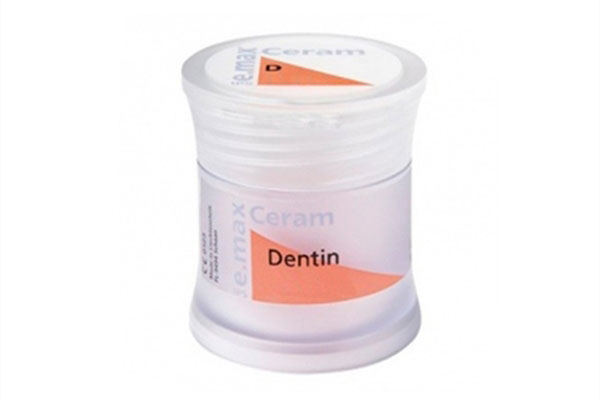
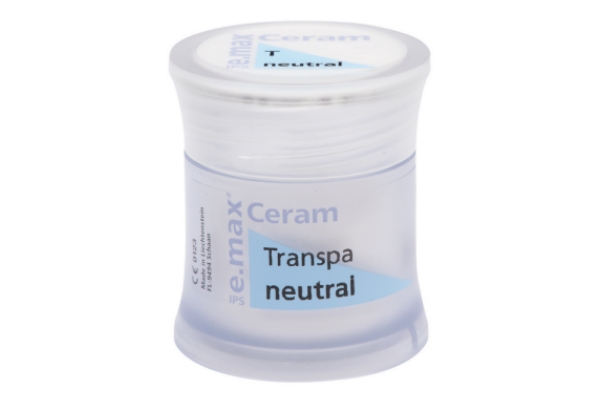
| E.max ceramic: | E.max Ceram, Ivoclar from Liechtenstein |
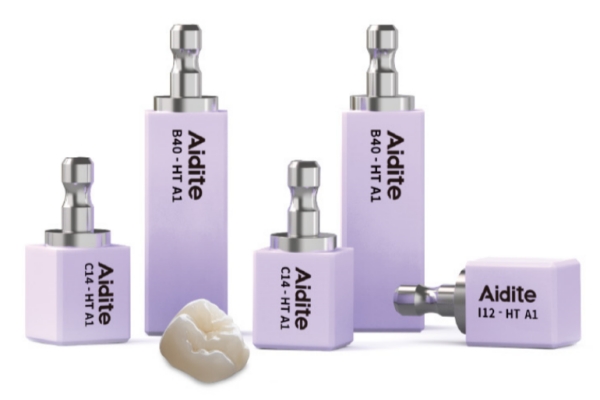
| CAD CAM E.max dental: | Glass ceramic, Aidite from China (FDA/ CE certified) |
| Design software: | 3 Shape |
| Our scanning device: | 3 Shape |
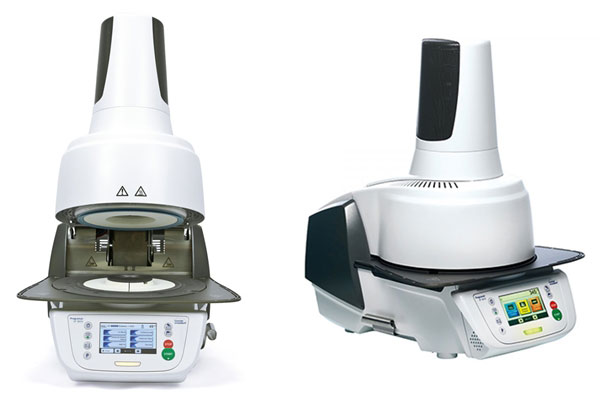
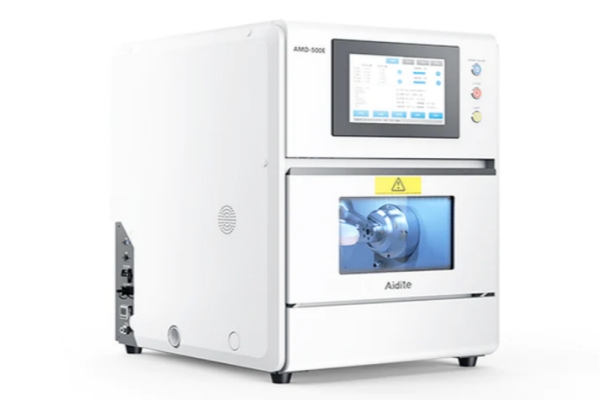
E.max Crowns Lab Equipment & Material
E.max Crown FAQ Guide
undefined
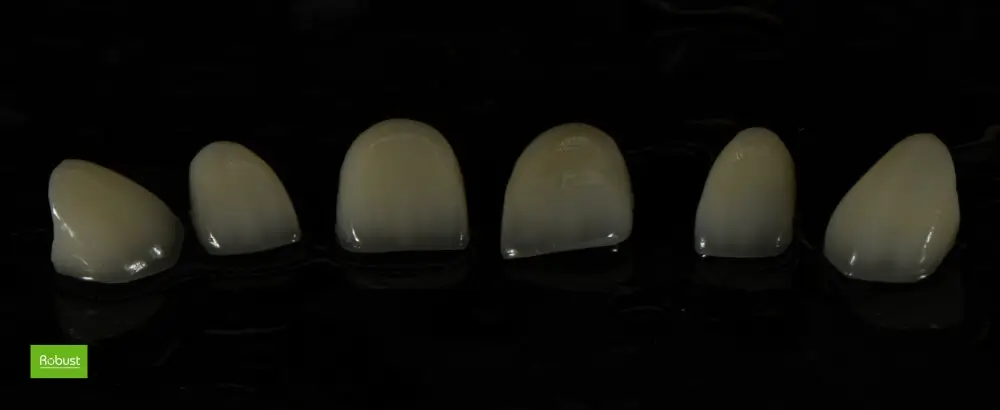
Emax crowns front teeth
1. How many types of E.max crowns are there?
Robust provides two types of E.max crowns: E.max ceramic and monolithic E.max crowns.
E.max Ceramic
An E.max ceramic (or emax porcelain crown) consists of an E.max coping (or E.max base) and porcelain coating. The porcelain coating helps create the shade blending and gives translucency on the incisor, making the whole crown pretty natural looking. However, a porcelain E.max crown requires more space for the aesthetics, so your dentists will have to prepare more of your natural teeth.
Monolithic E.max crowns
A monolithic E.max crown (or full E.max crown) is made of pure E.max material (no porcelain coating). It is stronger than a porcelain E.max crown, but it is more opaque looking. If you do not want to prepare much of your natural teeth (or cannot prepare much for some reasons), or if you need to cover the unpleasant color of your natural teeth, then you can choose monolithic E.max crowns. Therefore, a monolithic E.max crown is often for back teeth.
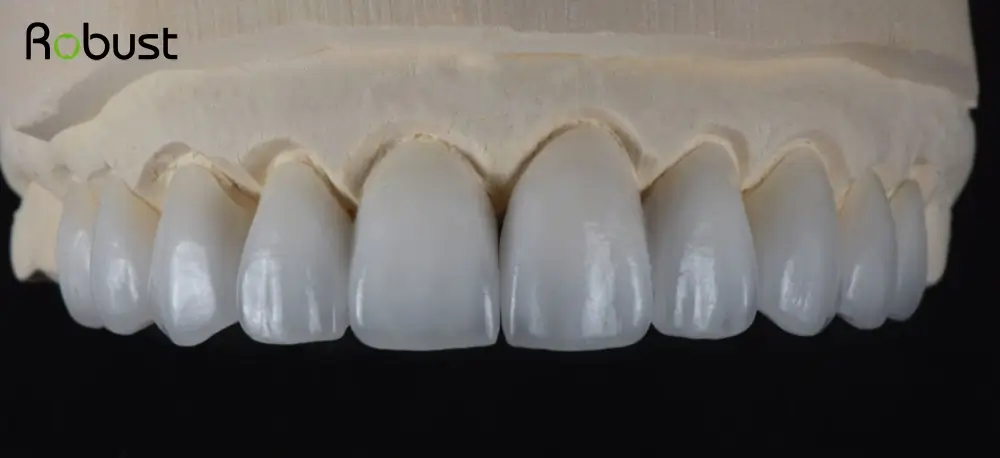
emax anterior crowns
2. Advantages of E.max Crowns
The E.max crown has many advantages over its competitors and is an ideal crown choice.
Close to natural teeth in color
E.max crowns are the most natural looking among all types of crowns. They are partially translucent, giving your teeth a natural look, since human teeth are also translucent. Since front teeth are the most visible, people often require E.max crowns that can closely match the color of the adjacent teeth.
Bio-compatible
E max dental crowns do not contain any metal. They are made with lithium silicate glass ceramic, which is completely bio-compatible for patients.
Preserves the natural structure of the teeth
E.max crowns are crack resistant and do not have too much strength itself. They will not bring wearing to the opposing natural teeth. This helps preserve more of the original teeth.
Same-day treatment
Nowdays, numerous dental offices can make E.max crowns in house, instead of sending your dental impression to a dental lab to have a crown made. You can have an E.max crown inserted on the same day you visit the office.
The dental offices use computer-aided design/computer-aided manufacturing (CAD/CAM) technology to accelerate this procedure. The dental practitioner designs a crown and mills it with a dental milling machine to make the crown in just 2 hours.
This process shortens visit times. Nevertheless, not every dental practice has this modern technology internally, and this technique only allows monolithic E.max crowns for now.
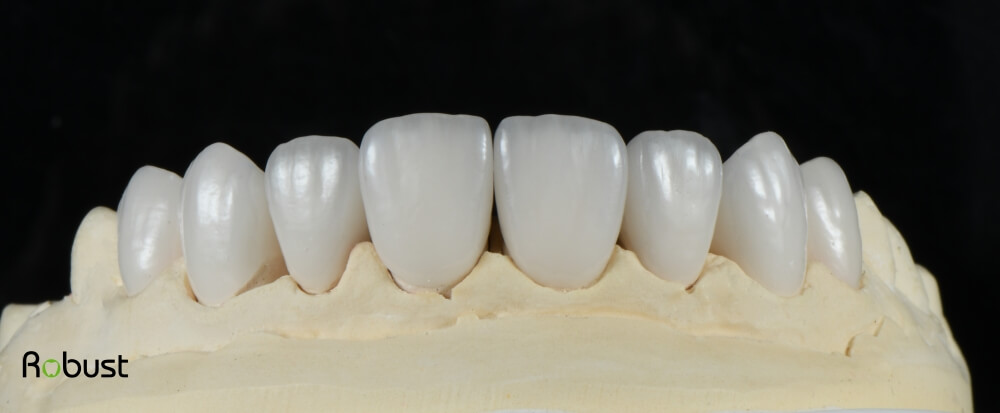
emax anterior crown
3. Disadvantages to the E.max crowns
While E.max crowns are a good crown choice, there are also disadvantages:
Limited strength
E.max crowns are more fragile. They are often 400 MPa. Since E.max is delicate, it is not suitable for a bridge. They can normally be a single crown, or a short span bridge (no more than 2 units). We can say that a 3-unit E.max bridge is very likely to break over a short period of time.
Moreover, dentists should be very careful with occlusion,and patients should avoid chewing hard food, when E.max crowns are used for posterior teeth with heavier mastication. It is best that these areas are repaired with zirconia or PFM crowns for better strength.
People with a habit of grinding their teeth, known as bruxism, should not be advised to use E-max crowns either, as they may not be able to withstand such heavy forces, even on their front teeth. So basically the E-max crown is not suitable for heavy troops.
Higher cost
The second possible downside of the E.max crown is its cost. Normally, E.max crowns cost more than zirconia crowns and PFM crowns.
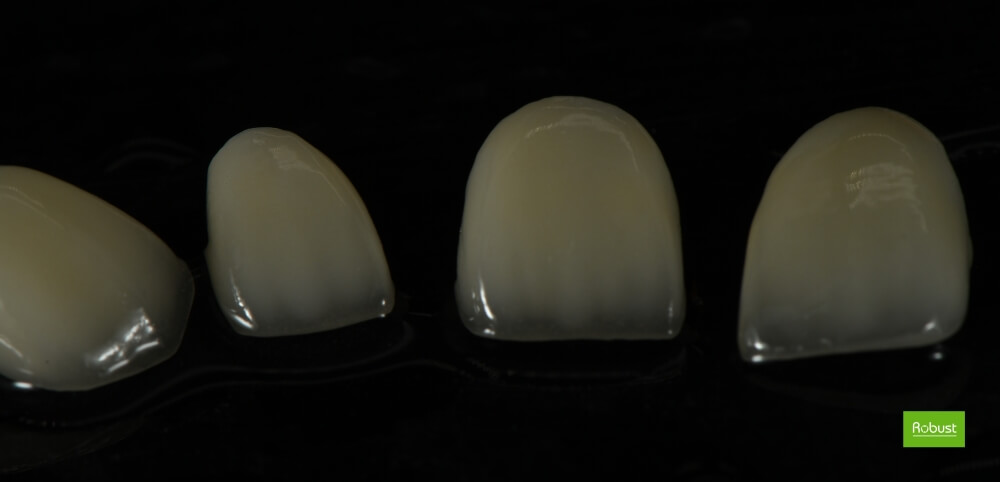
4. Emax crowns VS zirconia
Both E.max and zirconia crowns belong to all ceramic category that make them beautiful and long-lasting, but they all have their own advantages and disadvantages.
Color
E.max crowns are made of glass ceramic material, which is very natural looking. They can also be colored to match your natural teeth, so even from a close-up, no one can tell your E.max crown is not a natural tooth. We have to say that a porcelain zirconia crown cannot compete with a porcelain E.max crown, in terms of consistent translucency.
Sometimes, even a zirconia base will come with E.max ceramic. This combination makes crowns more aesthetically pleasing whiling keeping strength.
Strength
E.max is not as hard as zirconia. it cannot withstand strong force, so it is more likely to be made for front teeth. However, a zirconia crown is very strong and durable. It is great for back teeth. Due to its strong property, dentists do not have to prepare much of your natural teeth.
Versatility
Lab technicians usually cannot make E.max bridges that are over 2 units, but zirconia is so much stronger. If a patient does not want a dental bridge with metal, then a long zirconia bridge can be a great alternative. Zirconia can be long bridges in many cases.
Bonding
An E.max crown is less likely to fall off than a zirconia crown, thanks to its rough inner surface. On the contrary, the inner surface of a zirconia crown is very smooth, even after it is completely sandblasted and acid etched. If the prepared tooth is small, or if the tooth is not proferly prepared, the zirconia crown could fall off easily.
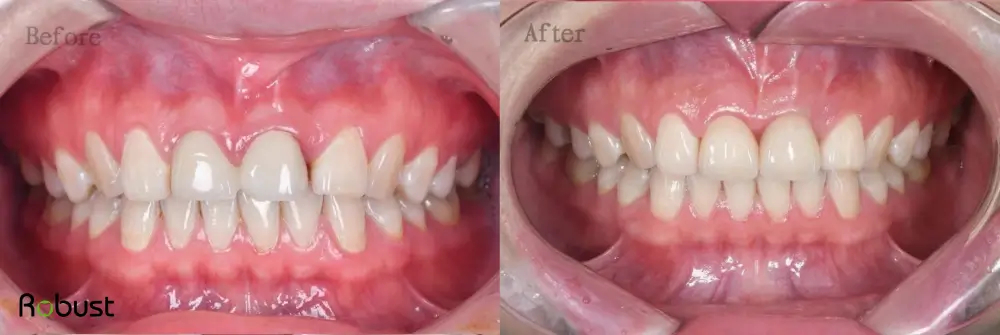
emax crowns before and after
5. Can the E.max crowns be bleached?
Emax crowns may fade with prolonged exposure to wine, coffee, or smoking. Brushing and flossing cannot remove these stains. The only way to get them white again is to replace them.
6. Conclusion
If you’re considering a crown, it’s best not to compromise on aesthetics and strength. E.max crowns look and perform much better than most other crowns, which is probably why most dentists recommend them. E.max is a multi-year solution that looks good every day.